The Islamic Apps: Enhancing Spirituality in the Digital Age
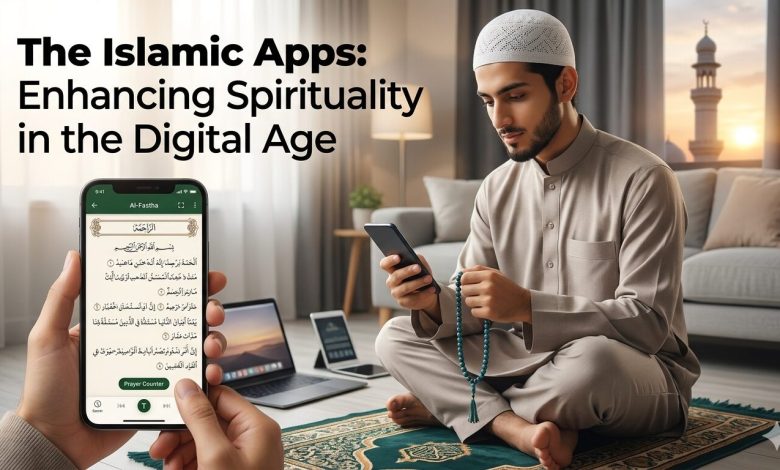
In an era increasingly defined by digital connectivity, technology has permeated nearly every aspect of human life – and spirituality is no exception. For Muslims worldwide, the smartphone has transformed from a mere communication device into a profound tool for faith, learning, and community engagement. This shift is largely due to the remarkable proliferation and sophistication of Islamic apps, which have become indispensable companions for millions seeking to enhance their spiritual journey in the digital age.
These innovative tools are not just convenient; they represent a significant evolution in how faith is practiced, studied, and shared, bridging ancient traditions with modern technology.
Bridging Faith and Technology: The Evolution of Islamic Apps
The journey from physical prayer mats, printed Qurans, and bulky Hadith collections to their digital counterparts has been rapid and transformative. Historically, accessing religious knowledge or even finding the Qibla direction while traveling required specific physical tools or local guidance. Today, a few taps on a screen can provide instant access to a wealth of spiritual resources.
The growth of Islamic apps mirrors the broader trend of digital transformation, but with a unique focus on faith-based needs. What began as simple utilities for prayer times or Qibla finders has blossomed into a sophisticated ecosystem of Muslim apps designed to cater to every facet of an individual’s Islamic lifestyle.

This evolution underscores a crucial point: technology, when harnessed thoughtfully, can serve as a powerful conduit for spiritual development, making faith more accessible and integrated into daily life than ever before.
What Islamic Apps Offer
The sheer diversity of Islamic apps available today is a testament to their widespread utility and the varied needs of the global Muslim community. These digital tools cover a comprehensive range of spiritual and practical requirements:
- Prayer & Adhan Apps: Arguably the most popular category, these apps provide accurate prayer times based on location, offer the call to prayer (Adhan) notifications, and precisely indicate the Qibla direction. Apps like Muslim Pro and Athan+ are prime examples, ensuring Muslims never miss a prayer, no matter where they are in the world.
- Quranic Learning & Recitation: Digital Qurans come complete with multiple translations in various languages, audio recitations by renowned Qaris, tafsir (exegesis), and powerful search functionalities. Many also include features for memorization, tajweed (proper pronunciation rules), and daily verse reminders, making Quranic study highly interactive and personalized.
- Hadith & Islamic Knowledge Databases: For deeper understanding, apps dedicated to Hadith collections (like Sahih Bukhari, Muslim, etc.) provide vast searchable libraries. Others offer access to scholarly articles, Fiqh (Islamic jurisprudence) guides, and lectures from respected Islamic scholars, putting a seminary’s worth of knowledge at one’s fingertips.
- Dhikr & Du’a Companions: These spiritual tools include digital tasbih counters, collections of authentic supplications for various occasions, and guided meditations based on Islamic teachings. They assist Muslims in maintaining regular remembrance of Allah and seeking His blessings.
- Halal Lifestyle & Community Apps: Beyond direct worship, a growing number of Muslim lifestyle apps help users navigate daily life in accordance with Islamic principles. This includes Halal food finders, Zakat calculators, Islamic event calendars, mosque locators, and even social platforms designed for Muslim networking and community building.
- Educational Apps for Children: Recognizing the importance of early religious education, many Islamic educational apps engage younger audiences through interactive stories, games, and quizzes that teach Arabic alphabet, basic Islamic tenets, and Quranic stories in a fun and engaging manner.
These diverse offerings illustrate how Islamic apps have become comprehensive ecosystems, supporting everything from daily rituals to lifelong learning and community connection.
Beyond Convenience: How Islamic Apps Deepen Spiritual Practice
The impact of Islamic apps extends far beyond mere convenience; they genuinely foster a deeper and more consistent spiritual practice for many.
- Enhanced Accessibility: For Muslims living in non-Muslim majority countries, or those new to the faith, these apps provide immediate access to prayer times, Qibla direction, and religious texts that might otherwise be difficult to source. This fosters a sense of belonging and guidance.
- Consistency and Routine: Prayer reminders, daily Quranic verses, and Hadith notifications help users maintain a consistent spiritual routine amidst busy modern lives. This regular engagement can solidify habits of worship and reflection.
- Personalized Learning: With features like bookmarking, note-taking, and tailored learning paths, individuals can explore Islamic knowledge at their own pace and focus on areas most relevant to their personal growth.
- Community and Connection: Some Islamic apps facilitate connections with local mosques, Islamic centers, and even global communities, allowing users to participate in online lectures, share knowledge, and find support, thereby strengthening collective identity and brotherhood/sisterhood.
- Empowerment through Knowledge: By making authentic Islamic sources readily available, these apps empower individuals to seek knowledge directly, understand their faith better, and clarify misconceptions, ultimately strengthening their conviction.
Through these mechanisms, Islamic apps serve as powerful enablers for enriching one’s spiritual journey, making Islamic practice more integrated, informed, and resilient in the face of modern challenges.
Navigating the Digital Landscape: Challenges and Considerations
While the benefits of Islamic apps are undeniable, their proliferation also brings important considerations and challenges that users and developers must address.
- Authenticity and Accuracy: With countless apps available, verifying the authenticity and accuracy of religious content is paramount. Users must exercise discernment and prioritize apps that source their information from reputable scholars and Islamic institutions. This includes accurate prayer times, correct Quranic texts, and verified Hadith collections.
- Privacy and Data Security: As with any digital service, Islamic apps often request access to personal data (location, contacts, etc.). Users should be mindful of privacy policies and choose apps from developers committed to ethical data handling to protect their personal information.
- Balancing Digital and Traditional: While apps offer convenience, it’s crucial not to let digital engagement entirely replace traditional forms of worship and community interaction. Attending mosque prayers, reading physical Qurans, and direct engagement with scholars remain vital for a holistic spiritual experience.
- Commercialization and Ads: Many free Muslim apps rely on advertisements or in-app purchases. While understandable for developers, excessive ads can detract from the spiritual experience. Users might consider supporting premium versions of trusted apps to ensure an ad-free experience and sustainable development.
Addressing these considerations ensures that Islamic apps remain a pure and beneficial resource for spiritual growth, free from potential pitfalls.
The Future of Islamic Apps: Innovation and Integration
The trajectory of Islamic apps points towards an even more integrated and personalized future. We can anticipate several key developments:
- AI-Powered Personalization: Artificial intelligence will likely enable highly personalized learning paths for Quranic studies and Hadith memorization, adapting to individual learning styles and progress. AI could also power interactive Islamic chatbots or virtual assistants providing Fiqh answers or spiritual guidance.
- Enhanced Immersive Experiences: Virtual Reality (VR) and Augmented Reality (AR) could offer immersive experiences, such as virtual Hajj/Umrah tours, 3D mosque explorations, or interactive lessons on Islamic history and architecture, bringing knowledge to life in unprecedented ways.
- Seamless Smart Device Integration: Integration with wearables (e.g., smartwatches for Dhikr tracking or prayer reminders) and smart home devices (e.g., Adhan calls through smart speakers) will make Islamic practice even more ambient and seamless within daily routines.
- Focus on Mental and Spiritual Wellbeing: Beyond rituals, future apps may increasingly integrate Islamic principles with mental health support, offering guided meditations, gratitude journaling, and stress-reduction techniques rooted in Prophetic traditions.
These innovations promise to make Islamic apps even more dynamic, engaging, and integral to the spiritual lives of Muslims globally, continuing to redefine what it means to practice faith in the digital age.
Conclusion
The rise of Islamic apps represents a profound and positive transformation in how Muslims engage with their faith. From providing instant access to prayer times and Quranic texts to fostering learning and community, these digital tools have become indispensable companions for millions worldwide. They have effectively bridged the gap between ancient traditions and modern technology, making spirituality more accessible, consistent, and personalized.
While considerations around authenticity and digital balance are crucial, the ongoing innovation in this space promises an even richer and more integrated future for digital spirituality. As technology continues to evolve, Islamic apps will undoubtedly play an even greater role in helping Muslims deepen their connection to Allah and enrich their spiritual journeys.
We encourage you to explore the myriad of trustworthy Islamic apps available and discover how they can empower your own spiritual growth in this digital era..html