10 Health Benefits of Eating Seasonal Fruits and Vegetables
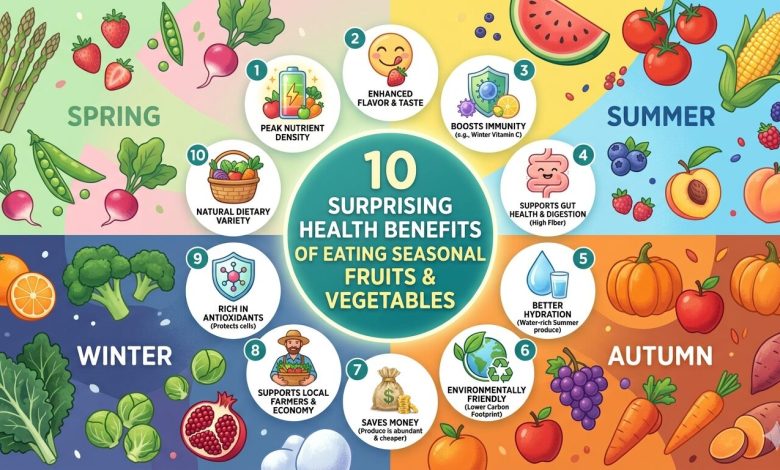
In an age where virtually any fruit or vegetable is available year-round, it’s easy to overlook the wisdom of eating seasonally. Modern agriculture and global supply chains have made exotic produce commonplace even in the depths of winter. However, returning to the rhythm of nature by choosing foods at their peak season offers a bounty of advantages for your health, your palate, and even your wallet. Beyond the obvious freshness, the seasonal fruits benefits and vegetable advantages are profound and often surprising. Let’s delve into the top 10 reasons why embracing seasonal eating is one of the best choices you can make for your well-being.
Why Freshness Matters: The Nutritional Edge and Purer Plate
When produce is harvested in its natural season, it’s allowed to ripen fully on the vine or tree, soaking up maximum nutrients from the soil and sun. This natural maturation process is key to unlocking its full potential.
1. Peak Nutritional Potency
One of the most compelling seasonal fruits benefits is their superior nutritional content. Fruits and vegetables picked at their prime contain higher concentrations of essential vitamins, minerals, and antioxidants compared to those harvested prematurely and ripened artificially. Studies show that the vitamin C content in certain produce, for instance, can significantly decrease when stored for extended periods or picked out of season. Eating seasonally ensures you’re getting the most potent dose of nutrients nature intended.
2. Superior Flavor, Aroma, and Texture
Have you ever noticed that a strawberry in June tastes vastly different from one in December? That’s seasonality at work. In-season produce simply tastes better. It’s sweeter, juicier, and more aromatic because it hasn’t endured long-distance travel or cold storage, which can degrade flavor compounds. The vibrant taste and ideal texture make healthy eating a truly enjoyable experience, naturally encouraging you to consume more nutrient-rich foods.

3. Reduced Exposure to Preservatives and Artificial Ripeners
To survive long journeys from distant farms, out-of-season produce often requires protective waxes, chemical treatments, or irradiation to prevent spoilage and extend shelf life. Furthermore, many fruits are picked green and then artificially ripened with ethylene gas. By contrast, seasonal, locally sourced produce typically requires fewer (if any) of these interventions, offering you a purer, more natural food item with fewer unwanted additives.
Boost Your Body: Immunity, Digestion, and Natural Detox
The variety of foods available throughout the year naturally equips your body for changing environmental needs, making seasonal eating a powerful tool for overall health maintenance.
4. Enhanced Gut Health Through Dietary Diversity
Eating seasonally encourages a wider variety of fruits and vegetables in your diet throughout the year. This diverse intake provides your gut microbiome with a broader spectrum of fiber types and prebiotics, which are crucial for fostering a healthy balance of beneficial bacteria. A robust gut microbiome is linked to improved digestion, enhanced nutrient absorption, and a stronger immune system.
5. Stronger Immune System Aligned with Nature’s Calendar
It’s no coincidence that citrus fruits, rich in Vitamin C, are abundant in winter, while hydrating cucumbers and berries thrive in summer. Nature often provides what our bodies need in specific seasons. For example, summer berries are packed with antioxidants to protect against sun damage, while autumn squashes offer immune-boosting beta-carotene. Aligning your diet with these natural cycles can provide targeted support for your body’s defenses.
6. Natural Detoxification Support
Many seasonal fruits and vegetables are natural detoxifiers. For instance, leafy greens common in spring are excellent sources of chlorophyll and fiber, aiding the body’s natural cleansing processes. Berries, abundant in summer, are rich in antioxidants that help combat oxidative stress and support liver function. By incorporating these natural detoxifiers into your diet when they’re at their freshest, you can gently support your body’s innate ability to cleanse and renew itself.
Beyond the Basics: Metabolic Health and Optimal Hydration
The benefits of eating seasonally extend beyond just vitamins and minerals, influencing critical metabolic functions and maintaining essential bodily processes.
7. Better Blood Sugar Regulation
Fresh, whole, seasonal fruits and vegetables naturally have a lower glycemic load compared to many processed foods or fruits that have been harvested prematurely and stored for long periods. Their high fiber content helps to slow down sugar absorption, preventing rapid spikes and crashes in blood glucose levels. This steady energy release is beneficial for sustained energy, weight management, and reducing the risk of metabolic issues like type 2 diabetes.
8. Optimized Hydration
Many seasonal fruits and vegetables, especially those thriving in warmer months, boast a high water content. Think of juicy watermelons, crisp cucumbers, and succulent berries in summer. Incorporating these into your diet naturally boosts your hydration levels, which is crucial for every bodily function, from regulating body temperature to transporting nutrients and lubricating joints. Choosing these hydrating options seasonally can contribute significantly to your overall fluid intake.
Smarter Choices: Financial and Holistic Wellness
Embracing seasonal eating isn’t just about health; it’s a holistic choice that impacts your budget and your connection to food.
9. Cost-Effective Nutrition
When fruits and vegetables are in season, they are typically more abundant, which drives down their price. This makes healthy eating more affordable and accessible. By purchasing produce when it’s plentiful, you can stretch your food budget further while still enjoying peak nutrition. This economic advantage is a significant, yet often overlooked, health benefit, as it empowers more people to choose wholesome, fresh foods.
10. Mind-Body Connection and Dietary Variety
Eating seasonally encourages a deeper connection to the food you eat and the natural world. It fosters a sense of anticipation and appreciation for the unique flavors each season brings. This mindful approach to eating not only enhances enjoyment but also naturally promotes dietary variety. By consuming different produce throughout the year, you ensure a broader intake of diverse micronutrients, phytonutrients, and fiber, leading to more comprehensive health benefits and reducing the likelihood of nutrient deficiencies.
Embrace the Season: Practical Tips
Ready to reap these incredible seasonal fruits benefits? Here are a few ways to start:
- Visit Local Farmers’ Markets: This is the easiest way to find out what’s truly in season in your region.
- Check Seasonal Eating Guides: Many online resources provide guides for seasonal produce based on your location.
- Plan Your Meals: Build your weekly menu around what’s currently available and fresh.
- Preserve the Harvest: Freeze, can, or dehydrate seasonal abundance to enjoy year-round.
Conclusion
The decision to eat seasonally is more than just a culinary preference; it’s a powerful choice for your health and well-being. From unlocking peak nutritional value and superior flavor to boosting immunity, supporting gut health, and even saving money, the seasonal fruits benefits are undeniable and extensive. By aligning your plate with nature’s calendar, you’re not only treating your body to the freshest, most potent nutrients but also fostering a deeper connection to your food system.
Make the simple yet profound shift to seasonal eating and experience a surprisingly positive transformation in your health. Your body will thank you!