Simple Steps for Creating a Better Morning Routine
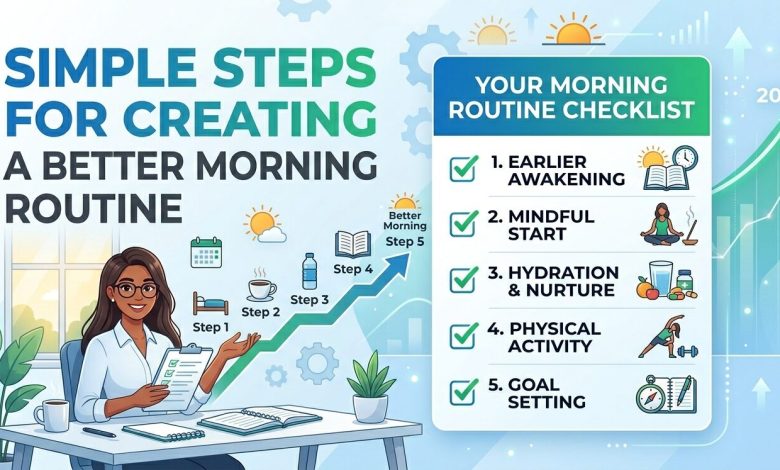
A better morning routine doesn’t have to start at 5am. It doesn’t need lemon water, a perfect journal, a silent house or a workout before sunrise. For most families, a good morning routine is simply one that reduces panic and helps everyone leave the house with a little more dignity. If the morning currently feels like a daily emergency, even small improvements can change the mood of the whole home.
The best place to start is not with ambition. It is with the part of the morning that currently goes wrong most often. Once you know the sticking point, the fix can be much smaller and more useful.
For carers working with Foster Care Associates, a predictable morning can be one of the small ways a child begins to feel secure.
Fix one problem first
Look at the repeated friction. Is everyone hunting for shoes? Are lunches rushed? Does someone always need a form signed? Are you losing time to phones? Does breakfast turn into a negotiation? Pay attention for a few days before changing anything, because the real problem may not be the one that gets the most complaints.

Pick one problem and solve that before redesigning the whole morning. Put shoes in one place. Pack bags at night. Keep school forms by the door. Make breakfast options boring but reliable. A routine that removes one daily argument is already better. Once that one change is working, you can add another without overwhelming everyone.
Prepare the night before, but keep it light
Evening preparation helps, but it shouldn’t become an exhausting second shift. Aim for the useful basics: clothes, bags, lunch items, keys, chargers and tomorrow’s first appointment. Put the most important items near the door if mornings often fall apart at the final hurdle.
Set out the non-negotiables
Clothes, bags, keys and the first appointment matter more than making the evening routine look perfect.
If you have children, give them age-appropriate responsibility. A younger child might choose between two outfits. A teenager can check their own timetable and kit. The goal is not to do everything for them. It is to make the morning less fragile. Children often respond better when their job is clear, visible and the same most days.
Make the first hour easier
Some people wake quickly. Others need time. If mornings are full of shouting, try building in a gentler first step: curtains open, hallway light on, music downstairs, or a five-minute warning before the real rush begins. That softer start can be especially helpful for children who find transitions hard.
A healthy morning routine that works usually relies on simple cues such as light, food and movement, not a perfect list of habits.
Breakfast doesn’t need to be impressive. It needs to be available and realistic. Toast, yoghurt, fruit, cereal, eggs, leftovers or overnight oats can all work if they help people start the day fed. A routine breakfast is not boring if it removes stress.
For children who struggle with mornings, offer fewer choices. Too many options can slow everything down. Keep a couple of reliable breakfasts in rotation and save variety for calmer days. If someone is not hungry straight away, plan a portable backup rather than starting the day with a battle.
Remove the things that scatter everyone
Starting the day with messages, news or social media can pull everyone into other people’s demands before they have even stood up. Try delaying screens until after the basics are done.
This is especially helpful for teenagers, but adults need it too. A phone-free start can make the morning feel less scattered. Even ten minutes without notifications can help everyone focus on clothes, food and leaving on time.
Something will still go wrong. A spill, a missing sock, a bad mood, a forgotten PE kit. Build in one reset point instead of letting the whole morning collapse. This matters because children often copy the emotional pace adults set, especially when everyone is short on time and nobody has much patience left before leaving the house each day during term-time weeks too.
Pause, breathe, lower your voice and ask, “What needs to happen next?” That one question can stop everyone spiralling. It turns the moment back into a practical problem instead of a family-wide argument.
Use a Next-Step Question
When a morning starts going wrong, it’s easy for everyone to slip into blame. Asking “What needs to happen next?” helps bring the focus back to the practical bit in front of you.
That might mean finding the missing shoes, wiping up a spill, checking the school bag or deciding what can wait. It keeps the morning moving without turning one small problem into a full argument.
Make the routine suit your household
The most useful productive morning habits for busy homes are the ones that survive tired people, missing socks and real school runs.
Better mornings are usually built in small repairs. Fix the shoes, simplify breakfast, move one task to the night before, and give everyone a calmer way into the day. That is enough to start. The routine does not have to look impressive to anyone else. It only has to work for the people who live with it, especially on the difficult mornings when everything feels rushed and messy too.