Decoding Skincare Labels: Your Essential Guide to Active Ingredients for Healthy Skin
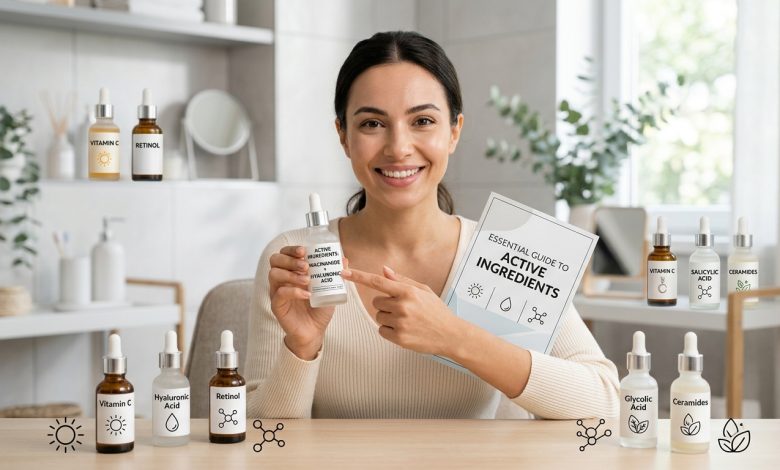
Navigating the vast world of skincare can feel like deciphering a secret code, especially when you’re staring at an ingredient list packed with scientific terms. But understanding what’s truly inside your products is the key to unlocking their full potential and achieving your skincare goals. This comprehensive skincare active ingredients guide is designed to empower you to read labels with confidence, identify the power players, and make informed choices for your skin’s health.
Gone are the days of buying products based solely on marketing claims. Today, an educated consumer knows that the real magic lies in the active ingredients. Whether you’re battling acne, seeking anti-aging solutions, or simply aiming for a radiant complexion, knowing your actives is fundamental. Let’s embark on this journey to become a label-decoding pro with our ultimate skincare active ingredients guide.
Understanding Skincare Labels: Active vs. Inactive Ingredients
Before diving into specific compounds, it’s crucial to distinguish between active and inactive ingredients. In essence:
- Active Ingredients: These are the components in a skincare product specifically formulated to address a particular skin concern. They are the workhorses, responsible for the product’s intended therapeutic effects, such as reducing wrinkles, treating acne, or brightening skin. Regulatory bodies often require these to be listed with their concentration if they’re a drug product (like SPF or acne treatments).
- Inactive Ingredients: Also known as excipients, these form the base of the product and support the active ingredients. They include solvents (like water), emulsifiers, preservatives, thickeners, fragrances, and colorants. While they don’t directly treat skin concerns, they are vital for the product’s texture, stability, shelf life, and overall user experience.
This skincare active ingredients guide focuses primarily on the active components that drive real change in your skin.
The Powerhouse Players: A Deep Dive into Key Skincare Active Ingredients
To truly understand what your skin needs, let’s explore some of the most prominent and effective active ingredients found in today’s skincare formulations. This section of our skincare active ingredients guide breaks down each category, explaining their benefits and best uses.
1. Exfoliants: AHAs, BHAs, and PHAs
Exfoliants are crucial for removing dead skin cells, revealing a fresher, brighter complexion underneath. They also help improve product penetration and can address various concerns from dullness to acne.
- Alpha Hydroxy Acids (AHAs): Water-soluble acids derived from natural sources like fruit and milk.
- Glycolic Acid: The smallest AHA molecule, allowing deep penetration. Excellent for anti-aging, sun damage, and general exfoliation.
- Lactic Acid: A larger molecule, making it gentler than glycolic acid. Also provides hydration, making it ideal for dry or sensitive skin.
- Mandelic Acid: Even larger than lactic acid, gentlest AHA, suitable for sensitive or acne-prone skin, and post-inflammatory hyperpigmentation.
Benefits: Improve texture, reduce fine lines, brighten complexion, diminish hyperpigmentation.
- Beta Hydroxy Acids (BHAs): Oil-soluble acids that can penetrate into pores.
- Salicylic Acid: The most common BHA. Ideal for oily, acne-prone skin as it can exfoliate inside the pore, dissolving sebum and preventing breakouts. It also has anti-inflammatory properties.
Benefits: Unclogs pores, reduces blackheads and whiteheads, controls oil, calms inflammation.
- Polyhydroxy Acids (PHAs): A newer generation of AHAs with larger molecules, making them even gentler.
- Gluconolactone, Lactobionic Acid: Offer exfoliation, hydration, and antioxidant benefits without causing irritation, perfect for very sensitive skin, rosacea, or eczema.
Benefits: Gentle exfoliation, hydration, antioxidant protection, suitable for sensitive skin.
2. Antioxidants: Your Skin’s Protectors
Antioxidants combat free radicals generated by environmental stressors like UV radiation and pollution, which can damage skin cells and accelerate aging. Including these in your skincare active ingredients guide arsenal is a must for preventative care.
- Vitamin C (L-Ascorbic Acid): A potent antioxidant that brightens skin, stimulates collagen production, fades hyperpigmentation, and protects against UV damage.Pro Tip: Look for L-Ascorbic Acid in dark or opaque packaging, as it’s unstable and degrades with light and air.
- Vitamin E (Tocopherol): Another powerful antioxidant, often paired with Vitamin C to boost its efficacy. It helps protect the skin barrier and has moisturizing properties.
- Ferulic Acid: An antioxidant that enhances the stability and efficacy of Vitamins C and E, making them an excellent trio.
- Niacinamide (Vitamin B3): A multi-tasking superstar. It reduces inflammation and redness, minimizes pore appearance, improves skin barrier function, regulates oil production, and can even help with hyperpigmentation.
- Green Tea Extract: Contains polyphenols with strong antioxidant and anti-inflammatory properties, soothing irritation and protecting against environmental damage.
3. Hydrators & Barrier Supporters: Essential for Healthy Skin
A strong, hydrated skin barrier is fundamental to healthy, resilient skin. These ingredients are vital for maintaining moisture and integrity, a cornerstone of any effective skincare active ingredients guide.
- Hyaluronic Acid (HA): A humectant that can hold up to 1000 times its weight in water, drawing moisture into the skin for intense hydration and plumpness. Comes in various molecular weights for different levels of penetration.
- Glycerin: Another excellent humectant, similar to hyaluronic acid, drawing moisture from the air and deeper layers of the skin to hydrate the surface.
- Ceramides: Lipids naturally found in the skin barrier. They are crucial for maintaining skin integrity, preventing moisture loss, and protecting against environmental aggressors.
- Squalane: A highly stable emollient that mimics the skin’s natural oils, providing excellent moisturization without feeling greasy.
4. Retinoids: The Gold Standard for Anti-Aging & Acne
Retinoids are derivatives of Vitamin A and are arguably the most well-researched and effective active ingredients for anti-aging and acne treatment.
- Retinol: A common over-the-counter retinoid. It converts to retinaldehyde and then to retinoic acid in the skin. Speeds up cell turnover, stimulates collagen, and helps with acne.
- Retinaldehyde (Retinal): A more potent form than retinol, requiring only one conversion step to retinoic acid. Works faster and can be more effective.
- Tretinoin (Retinoic Acid): A prescription-strength retinoid, the most potent form. Directly binds to retinoid receptors in skin cells. Highly effective for severe acne and significant signs of aging.
Benefits: Reduce fine lines and wrinkles, improve skin texture, fade hyperpigmentation, treat acne, stimulate collagen production.
Usage Tip: Start slow (1-2 times a week), use at night, and always follow with sunscreen during the day as retinoids increase sun sensitivity.
5. Brighteners & Pigment Correctors: Fading Dark Spots
These ingredients target hyperpigmentation, sun spots, and post-inflammatory marks, leading to a more even skin tone. They are essential inclusions in any targeted skincare active ingredients guide for complexion concerns.
- Alpha Arbutin/Kojic Acid: Tyrosinase inhibitors that reduce melanin production, effectively fading dark spots and improving skin tone.
- Azelaic Acid: A multi-tasking ingredient good for acne, rosacea, and hyperpigmentation. It has anti-inflammatory and antibacterial properties and inhibits tyrosinase.
- Licorice Root Extract: Contains glabridin, which inhibits tyrosinase, and licochalcone, an anti-inflammatory compound. Helps brighten skin and soothe irritation.
- Tranexamic Acid: Increasingly popular for treating melasma and stubborn hyperpigmentation, working by inhibiting plasmin.
6. Soothers & Calmers: Reducing Redness and Irritation
For sensitive, reactive, or compromised skin, these ingredients provide relief and help restore balance.
- Centella Asiatica (Cica): Known for its wound-healing and anti-inflammatory properties. Soothes irritated skin, reduces redness, and promotes collagen synthesis.
- Bisabolol: Derived from chamomile, it has potent anti-inflammatory and calming effects, making it excellent for sensitive skin.
- Allantoin: A skin protectant that helps soothe and heal irritated skin, promoting cell regeneration.
7. Peptides: Building Blocks for Stronger Skin
Peptides are short chains of amino acids, the building blocks of proteins. They signal skin cells to perform specific functions.
- Signal Peptides: Encourage collagen production, leading to firmer, more elastic skin and reduced wrinkles.
- Carrier Peptides: Deliver trace elements to skin, aiding in wound healing and collagen synthesis.
- Neurotransmitter Peptides: Mimic the effects of Botox by inhibiting muscle contractions, reducing dynamic wrinkles.
Benefits: Stimulate collagen, improve elasticity, reduce appearance of fine lines, aid in skin repair.
How to Effectively Read Skincare Labels
Now that you’re familiar with key actives, here’s how to put your knowledge into practice when scanning a label. This critical part of our skincare active ingredients guide will help you interpret what you see:
- Ingredient Order Matters: Ingredients are listed in descending order by concentration. The first few ingredients make up the bulk of the product. Actives listed higher up are generally present in higher, more effective concentrations.
- INCI Names: Skincare ingredients are often listed using their International Nomenclature Cosmetic Ingredient (INCI) names, which can look intimidating (e.g., L-Ascorbic Acid instead of Vitamin C). Familiarize yourself with common INCI names for your favorite actives.
- Percentage Disclosure: While not always mandatory for cosmetic actives, some brands transparently disclose the percentage of key ingredients. This is a helpful indicator of efficacy.
- “Key Ingredients” vs. “Full Ingredient List”: Don’t just read the highlighted “key ingredients.” Always consult the full ingredient list for a complete picture.
Building Your Skincare Routine with Active Ingredients
Understanding actives is one thing; incorporating them effectively into your routine is another. This practical segment of our skincare active ingredients guide offers essential advice:
- Patch Test: Always patch test new active ingredients on a small, inconspicuous area of skin (e.g., behind the ear or on the jawline) for a few days before applying it to your entire face.
- Start Low, Go Slow: Begin with lower concentrations and less frequent application (e.g., 2-3 times a week) and gradually increase as your skin builds tolerance.
- Layering Actives: Some actives play well together (e.g., Vitamin C + Ferulic Acid), while others should be used at different times of the day or on alternate days (e.g., Retinol + strong AHAs). Always research combinations or consult a dermatologist.
- Consistency is Key: Skincare is a marathon, not a sprint. Consistent use of appropriate active ingredients over time yields the best results.
- Don’t Forget Sunscreen: Many active ingredients (especially exfoliants and retinoids) can increase sun sensitivity. Daily, broad-spectrum SPF 30+ is non-negotiable.
Conclusion
Empowering yourself with the knowledge of skincare active ingredients is perhaps the most significant step you can take towards achieving and maintaining healthy, radiant skin. This comprehensive skincare active ingredients guide has equipped you with the tools to confidently navigate product labels, understand what each ingredient does, and build a routine tailored to your unique needs. Remember, your skin is unique, and what works for one person might not work for another. Listen to your skin, be patient, and enjoy the journey of discovering the power of well-chosen active ingredients.
Frequently Asked Questions (FAQ)
Q1: Can I use multiple active ingredients at once?
A1: It depends on the ingredients. Some pairings are beneficial (e.g., Vitamin C and Ferulic Acid), while others can cause irritation (e.g., strong AHAs/BHAs and Retinol used simultaneously). It’s best to introduce new actives one at a time, use some in the morning and others at night, or alternate days. When in doubt, consult a dermatologist, as advised by this skincare active ingredients guide.
Q2: How long does it take to see results from active ingredients?
A2: Patience is key. While some ingredients like hydrators might show immediate effects (plumper skin), others, especially for concerns like hyperpigmentation or anti-aging, can take weeks or even months of consistent use (typically 4-12 weeks) to show noticeable improvement.
Q3: Are “natural” active ingredients always better?
A3: Not necessarily. “Natural” doesn’t automatically mean safer or more effective. Many synthetic ingredients are highly effective and stable. Conversely, some natural ingredients can be allergens or unstable. The efficacy of an ingredient, whether natural or synthetic, depends on its formulation, concentration, and how your skin reacts to it. This skincare active ingredients guide emphasizes efficacy and safety over source.
Q4: What should I do if an active ingredient irritates my skin?
A4: If you experience redness, burning, peeling, or excessive dryness, stop using the product immediately. Reintroduce it slowly, at a lower frequency, or consider a lower concentration. If irritation persists, discontinue use and consult a dermatologist. Your skin’s reaction is the ultimate feedback.
Q5: Is a higher percentage of an active ingredient always better?
A5: Not always. While a certain concentration is needed for efficacy, higher isn’t always superior and can sometimes lead to irritation, especially with potent ingredients like retinoids or strong acids. It’s about finding the optimal concentration that provides benefits without adverse reactions. This skincare active ingredients guide encourages a balanced approach.